Noises – apart from those of normal driving operation – can have many causes. They all have one thing in common: they are annoying!
With electric cars, if everything is functioning correctly, you won't find one sound – namely the engine sound. Unlike mid-motors, hub motors work virtually silently or at least so quietly that you can hardly perceive them or not at all while riding.
Unusual noises such as clicking, squeaking, creaking, rattling, grinding, buzzing, etc., are, on the other hand, very clearly audible. If you want to get to the bottom of it, it's not always easy. Noises are usually difficult to locate while driving and don't always occur when searching while stationary. Below is a list of possible sources of noise.
Noise sources
- Pedals
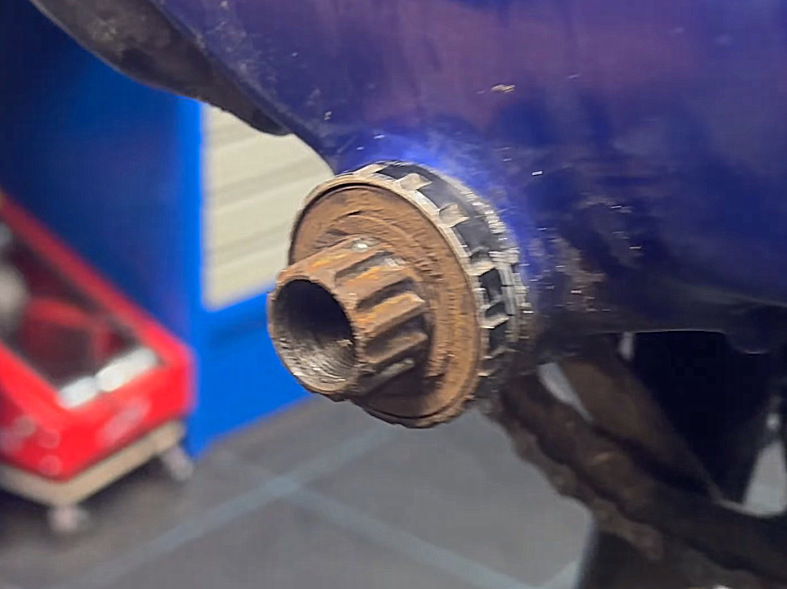
- Bottom bracket
- Crankset
- Front wheel bearing
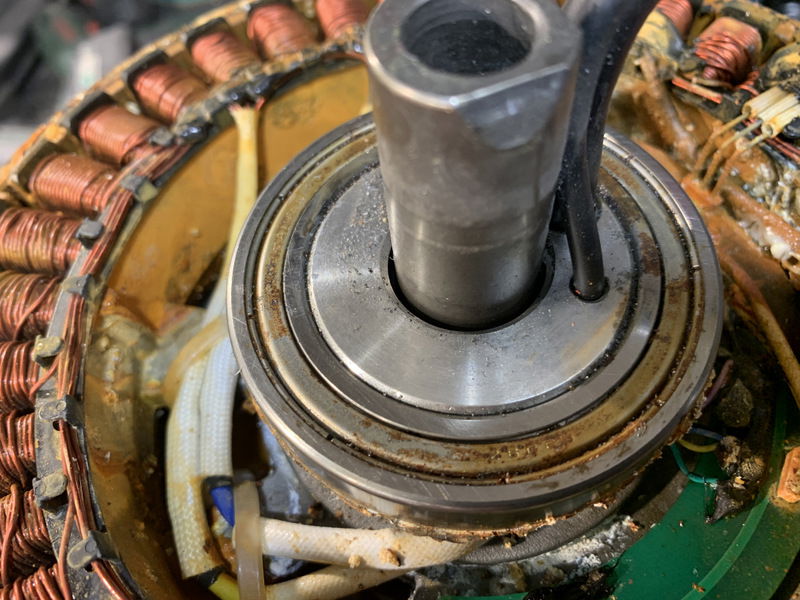
- Rear wheel bearing
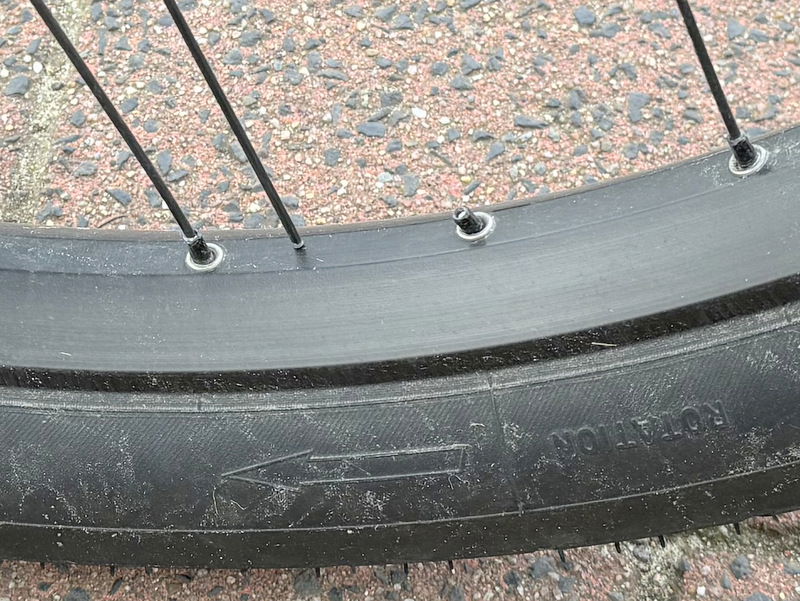
- Rims (shock)
- Spokes (tension)
- Tires
- Handlebars
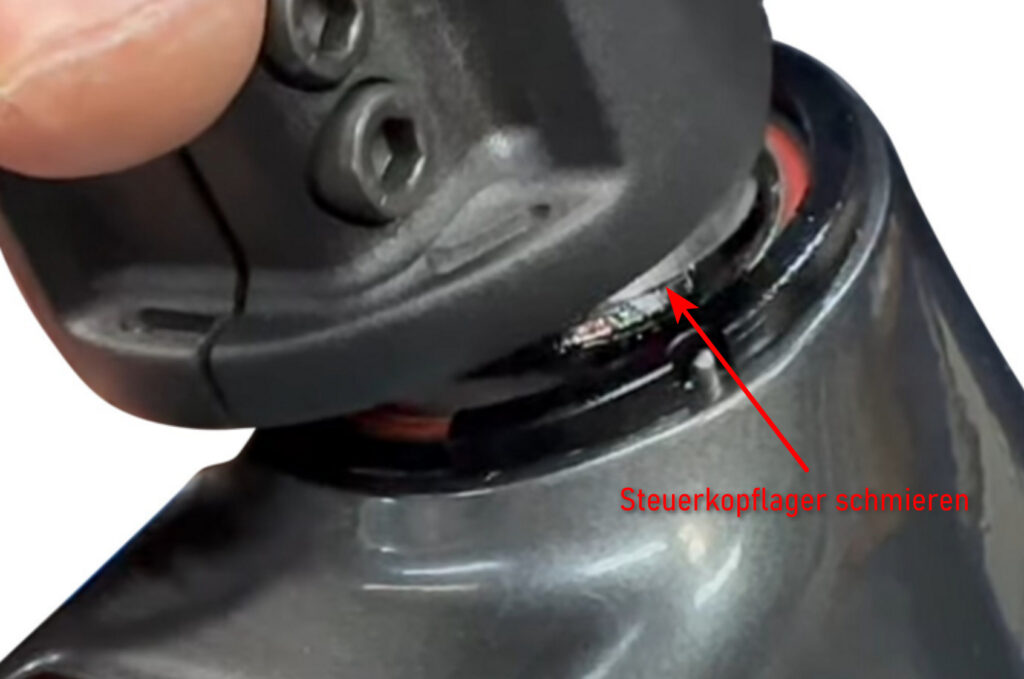
- Headset (steering head bearing)
- Stanchions and immersion tubes (suspension fork)
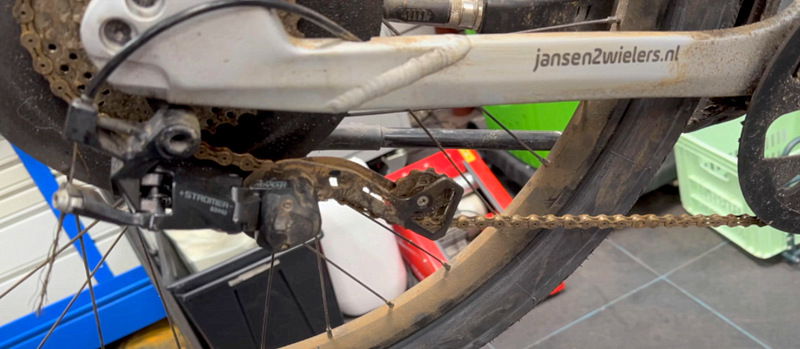
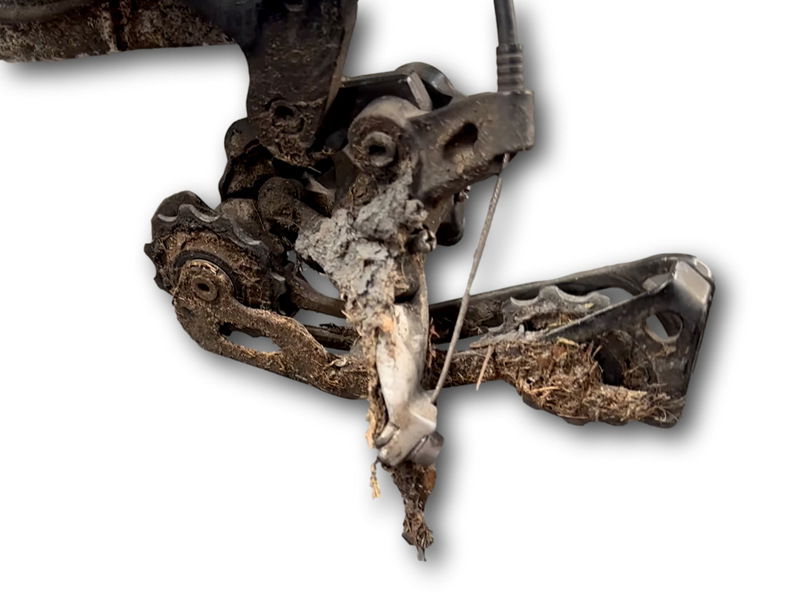
- Rear derailleur
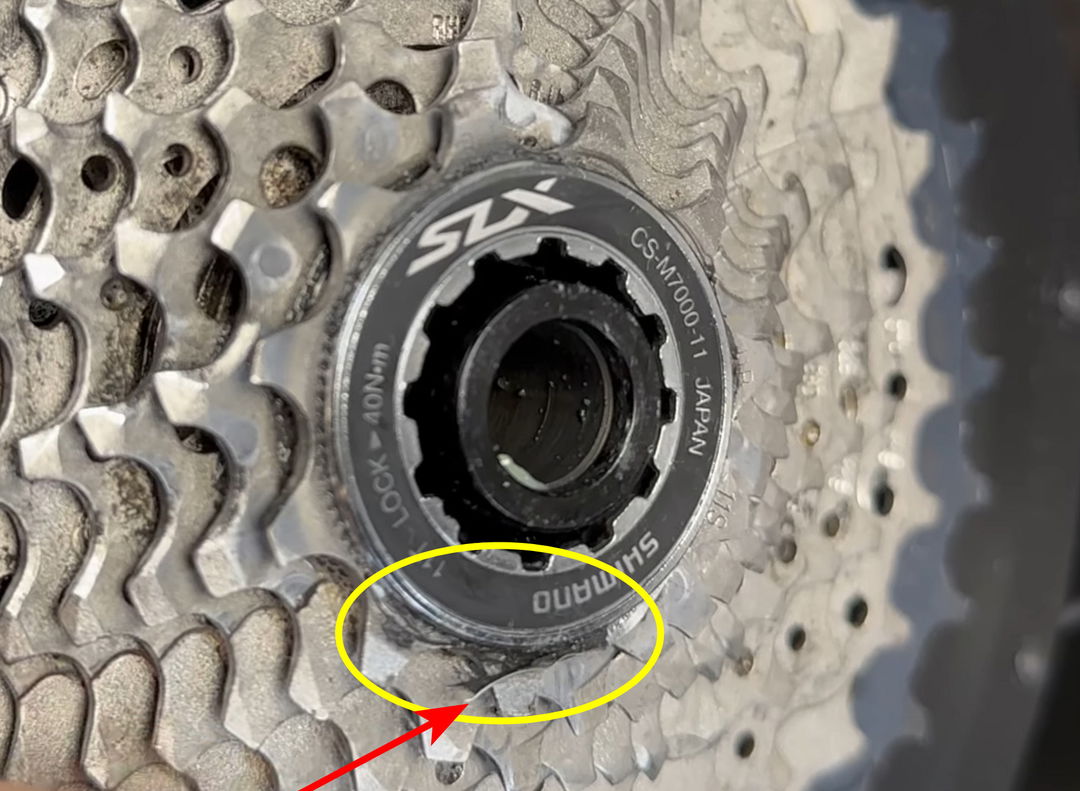
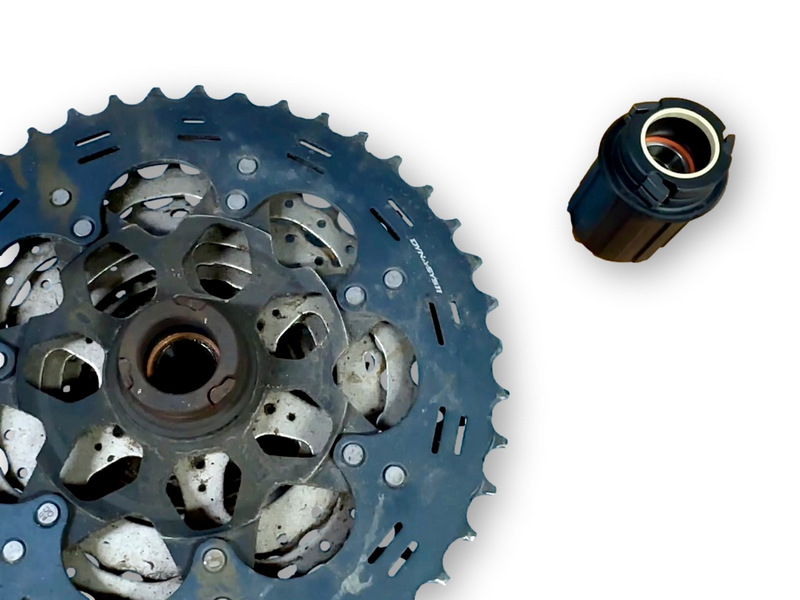
- Cassette
- Chain
- Seat post or seat clamp
- Cables / Brake lines inside or outside the frame
- Tools in the saddlebag or toolbox
- Brake pads
- Wavy brake disc - touches the brake pads on the side
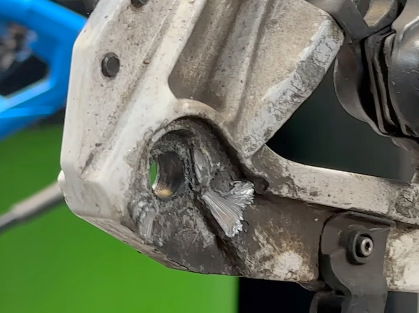
- Brake caliper - brake disc touches the caliper base due to poor adjustment
Stromerspezifisch:
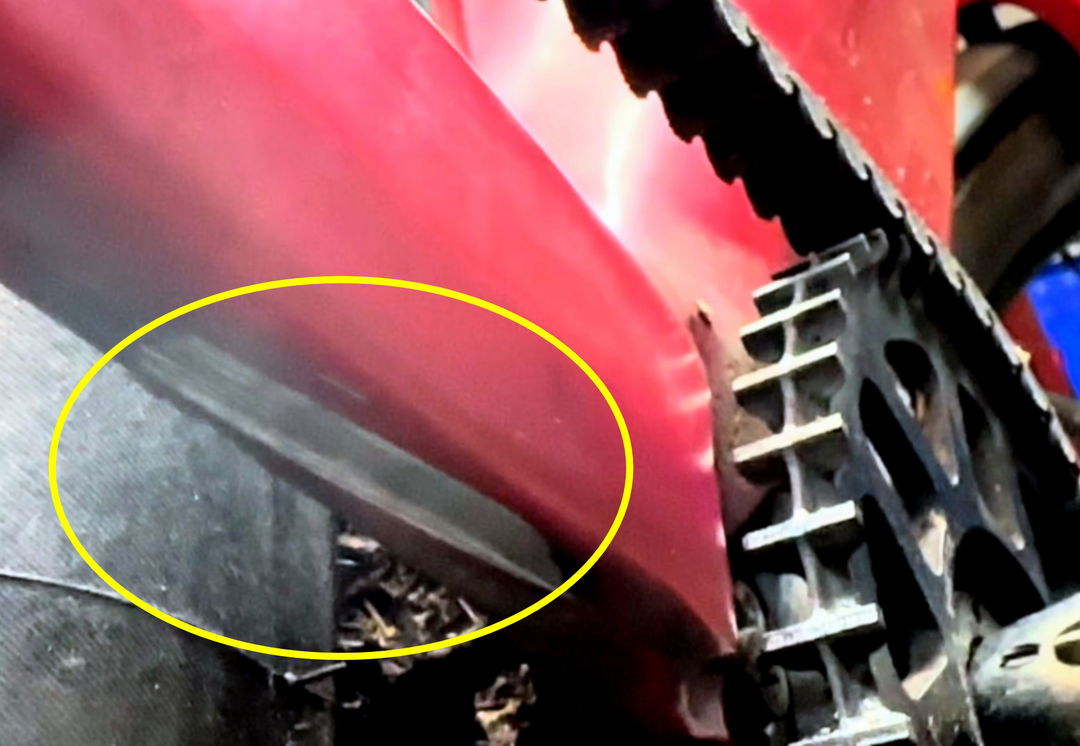
Der Webseitenbesucher Marco hat zwei weitere stromerspezifische Geräuschquellen identifizieren können. Es handelt sich dabei um das Omni und die Oberrohrabdeckung (ABS) beim ST3 Pinion. Alle Details und die Bilder dazu können in seinem Contribution nachgelesen werden. Vielen Dank für das Feedback!
Analysis
Three questions:
- When Do you hear the noise - when pedaling, when putting weight on the saddle or handlebars?
- How often Do you hear the sound - rhythmically or at irregular intervals?
- Where Can you hear the noise - can you locate the source of the noise while driving?
General control
If you cannot clearly identify the source of the noise, check the following:
- Check that all fasteners on the bike are tight.
- Do the wheels or the crank axle have play?
- Can I move the handlebars in the direction of travel with the brakes applied?
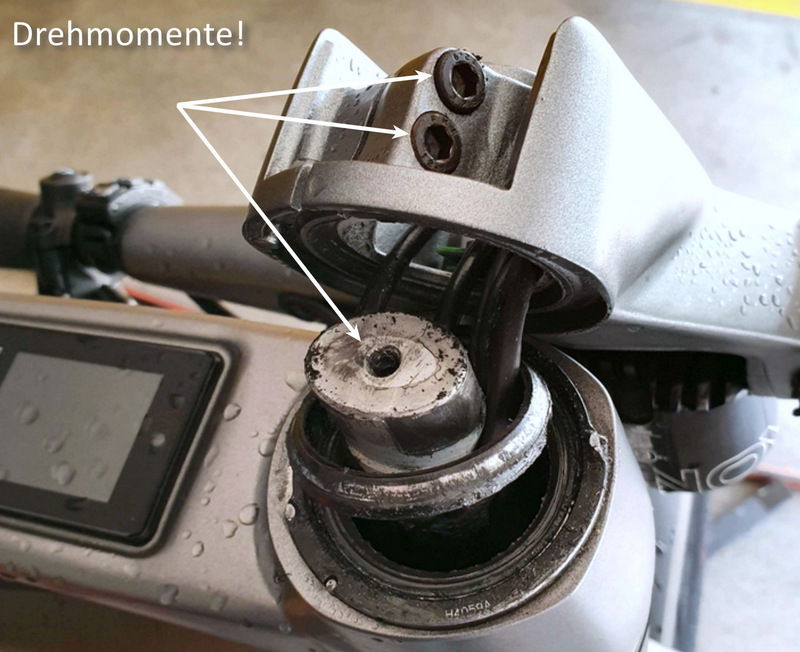
- Are components with torque specifications (thru-axles, bottom brackets, head tubes, cassettes, etc.) correctly mounted and tightened to the correct torque?
- Is the chain lubricated and smooth-running, are the belt and the pulleys clean?
- Are there any loose spokes?
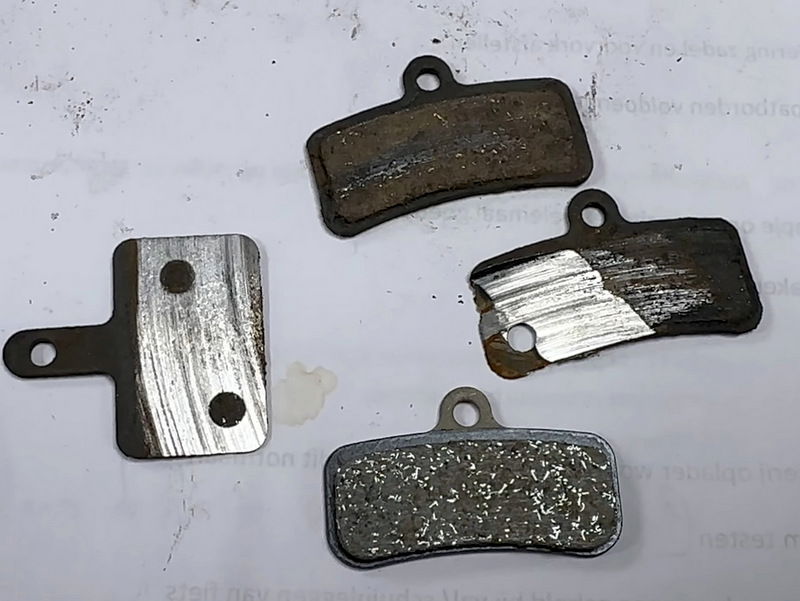
- Are the brake pads worn?
- Does the brake piston reset function?
Noise sources on my ST3
My own experiences with noise sources on the Stromer are:
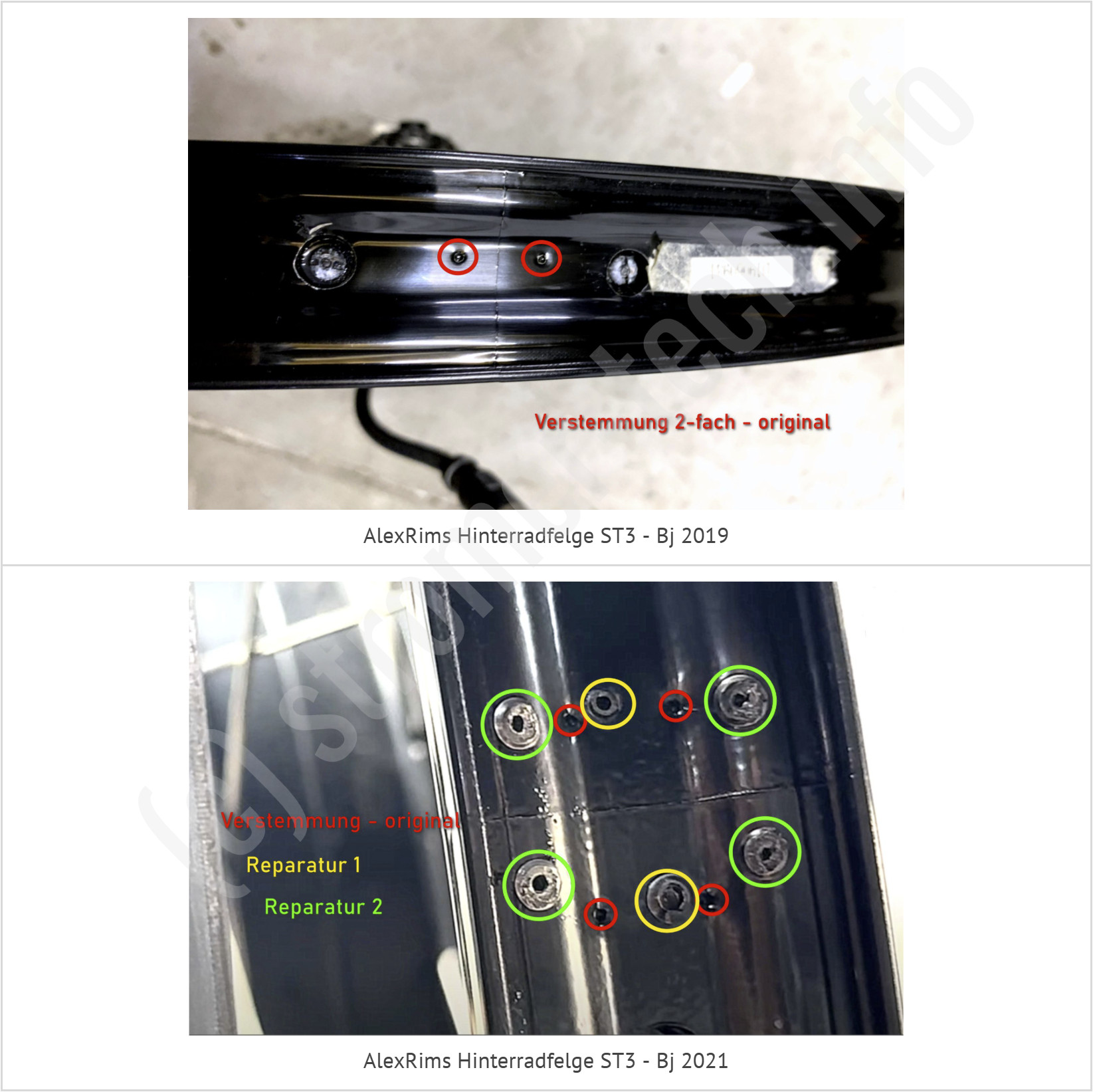
- Clattering in rear wheel 1 - Caused by the rim impact.
Solution: Rim joint regrained and additionally secured with Loctite 290. - Clattering in rear wheel 2 – Caused by the tire bead sticking to the rim flange. Solution: Treat the tire bead with talcum powder or Teflon spray before mounting.
- Clattering of the front wheel – Caused by the intersection points of the spokes.
Solution: Lubricate the cross points with a drop of oil. - Grinding noise from the front wheel The brake caliper was not adjusted correctly in height. In a curve, the brake disc lightly touched the lower part of the brake caliper.
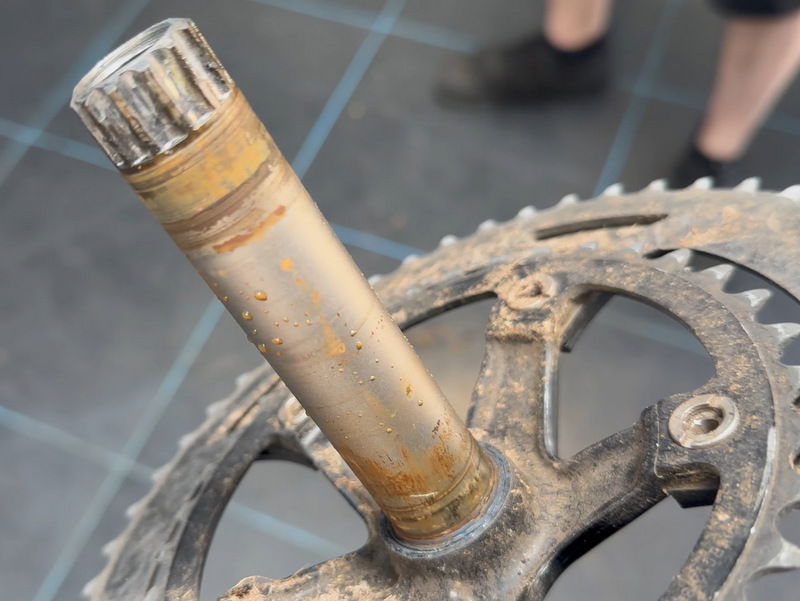
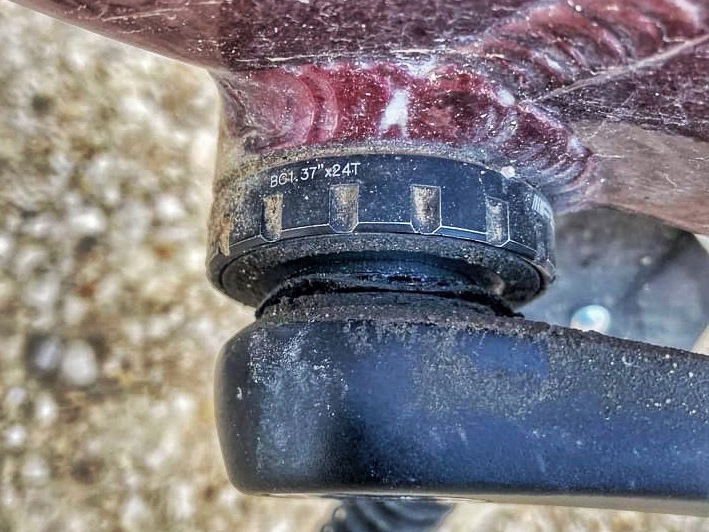
- Creaking in the bottom bracket area - Caused by the wave washer running between the crank and the bearing or a self- loose left crank arm.
Solution: Drip a drop of chain oil between the shaft collar and the bearing. Check the crank arm for axial play. - Creaking 1 Caused by a dry seat tube.
Solution: Remove the seatpost and lubricate it with a film of bearing grease. Tighten the seat clamp with the correct torque. - Creaking 2 - Caused by slightly loosened pinch bolts on the fork in the stem.
Solution: Tighten the steerer tube clamp bolts with the correct torque (top bolt at 9 Nm, bottom at 8 Nm / ST5 both at 10 Nm) alternately in the correct order. - Squealing - Rear brakes
Solution: Fit organic brake pads and Resonance damper disk install.
A few examples