
General
What, how and how often should be checked and lubricated is specified in the Operating instructions under MAINTENANCE / MAINTENANCE:
- Chain / belt
- Inspection plan and lubrication
It is important to differentiate whether the Stromer is used „only“ as a „fair-weather bike“ or in „all weather.“ If you frequently ride in the rain or even on salt-laden roads in winter, more frequent maintenance, especially of the drivetrain, is necessary. Water and saltwater must be removed, the belt cleaned, and the chain lubricated after a ride.
Surface cleaning
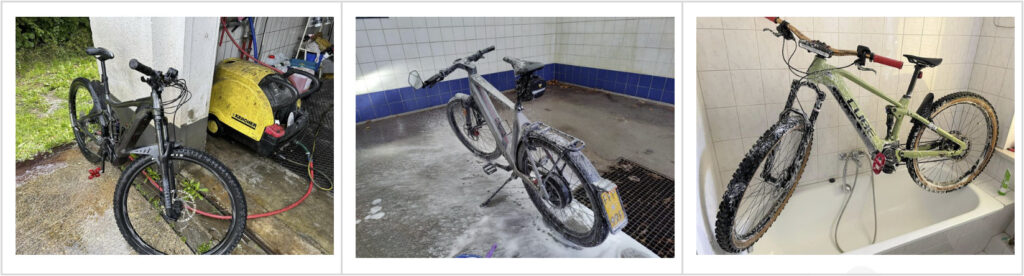
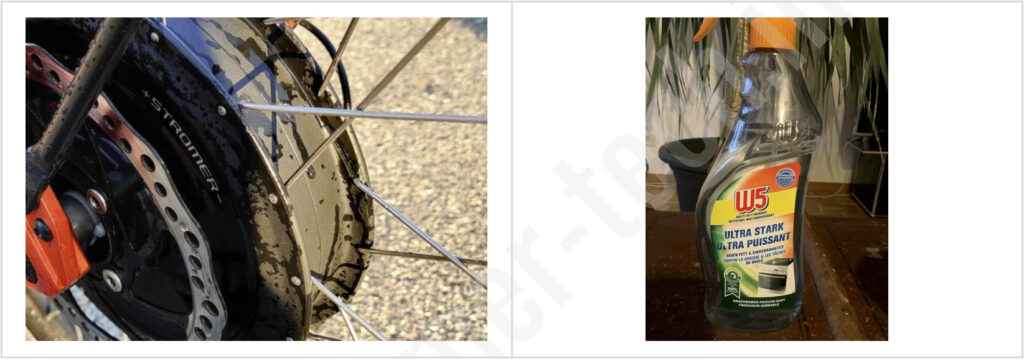
Bearing damage (motor / bottom bracket...), problems with the drivetrain, defects in the Omni or controller can be caused by incorrect care. When using high-pressure cleaners or garden hoses, the water overcomes seals, penetrates the lighting, the wiring harness or plug connections, washes out bearings or attacks the paintwork when using ’harsh‘ cleaning agents.
This is not how it should be done!
Close the battery door...
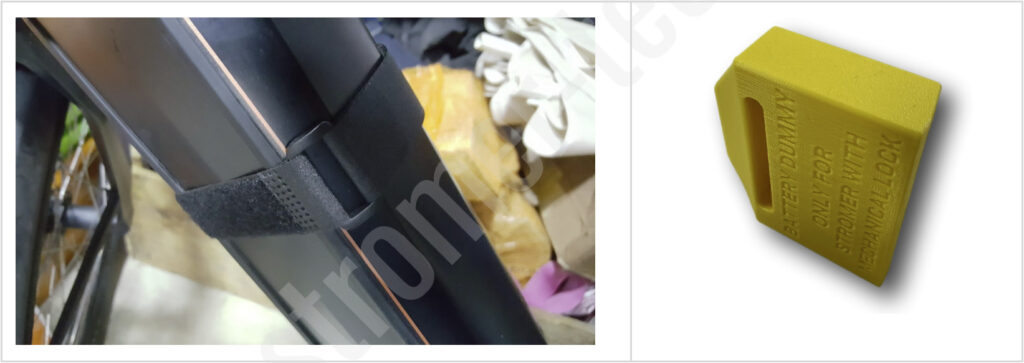
This is not so easy with the models with an electromagnetic locking mechanism. The battery compartment can only be closed with the battery inserted. If the battery is removed for cleaning - as recommended - or if you want to charge the battery outside the Stromer, the flap cannot be closed. This is where a Strap with Velcro fastener.
For ST1X, ST2-old and ST2S-old, where the cover is opened with a mechanical key, there is the Battery dummy.
Chain / Drive
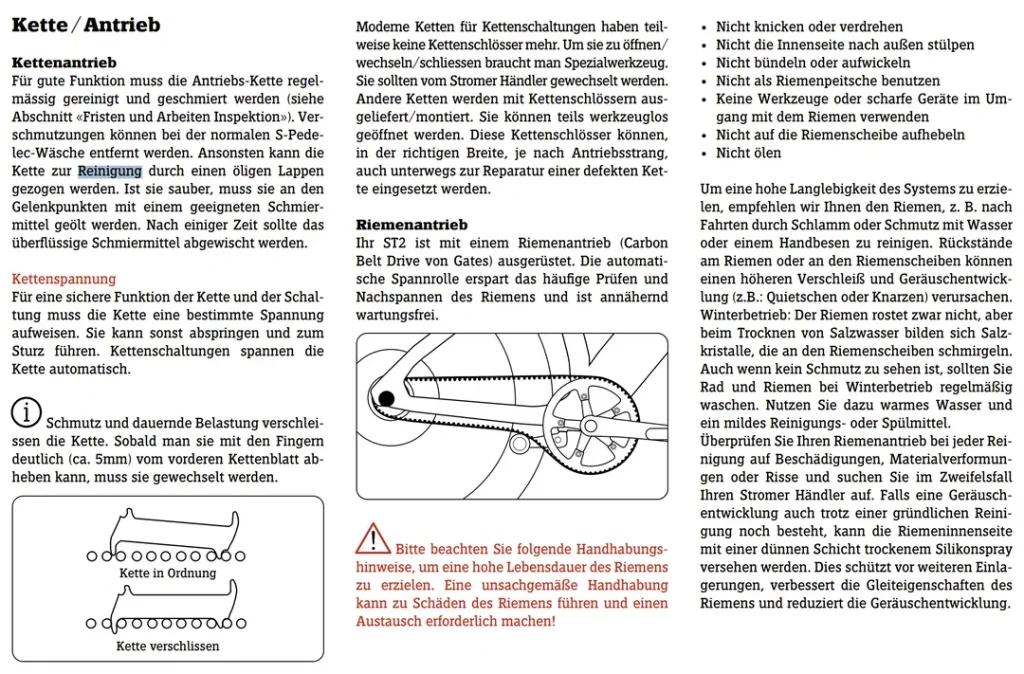
Stromer describes how the chain or belt should be maintained in the respective Operating instructions. The supposedly low-maintenance belt drive has a considerable number of points to consider.
See also various topics under PROBLEMS - Chain (sprocket) / pulleys and belts
See also various topics under CIRCUIT -Wear and tear
See circuit – chain vs belt – 'Comparison: costs / care / (life) maintenance'
See Also 12 tips for preventing premature damage to rhymes [source: bike-magazin-de]
See also the recommendations from Gates for the belt
Cleaning the drive
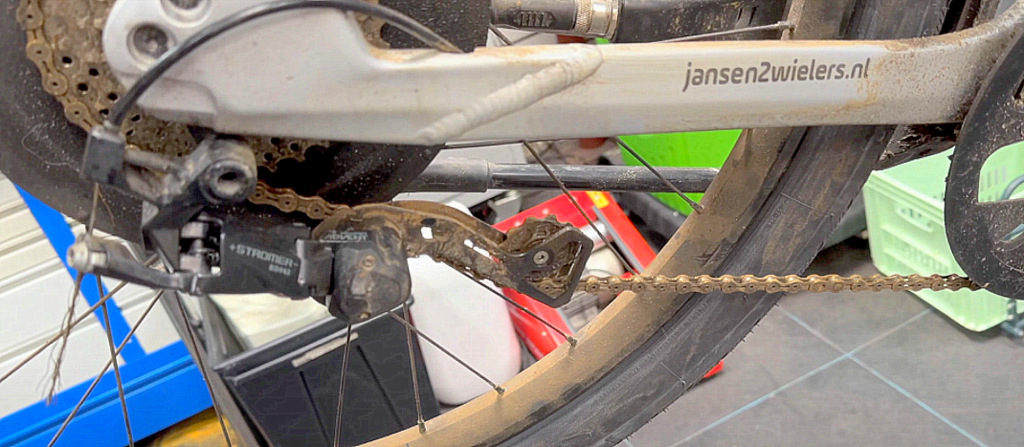
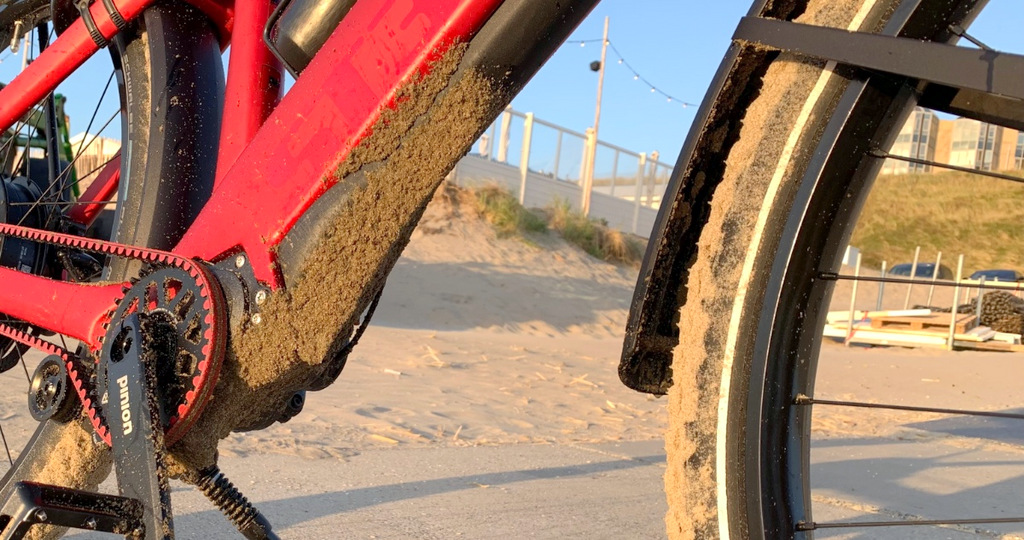
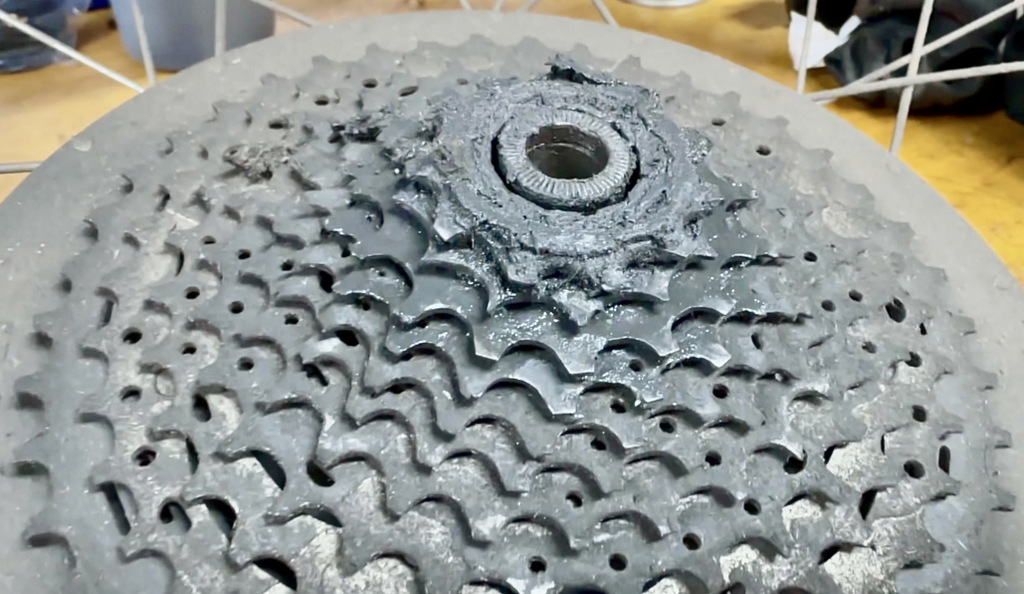
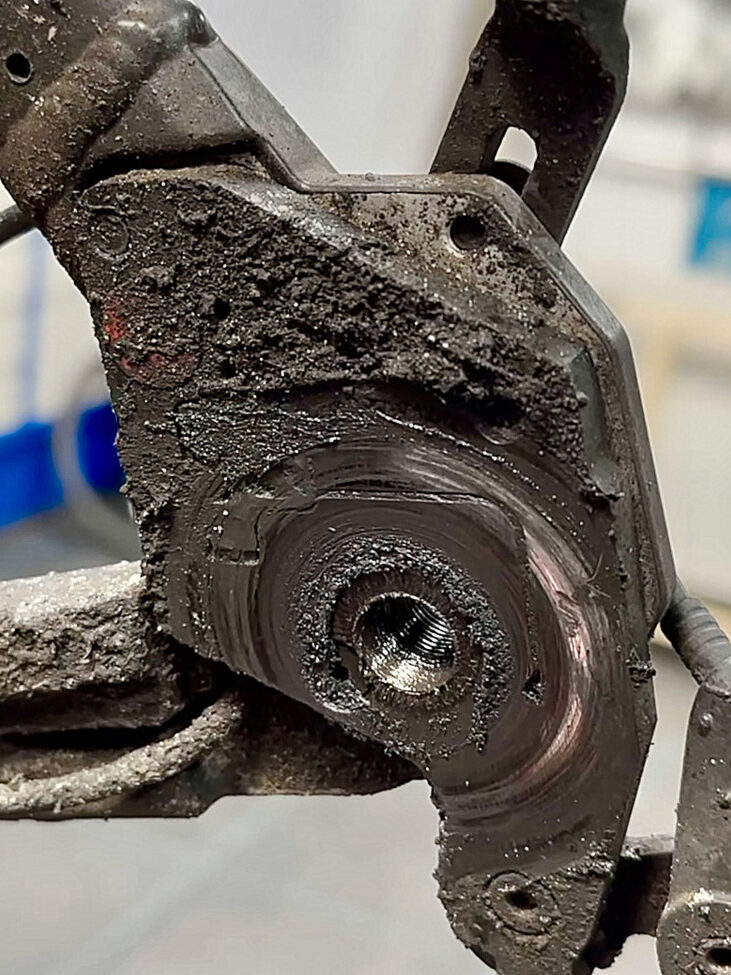
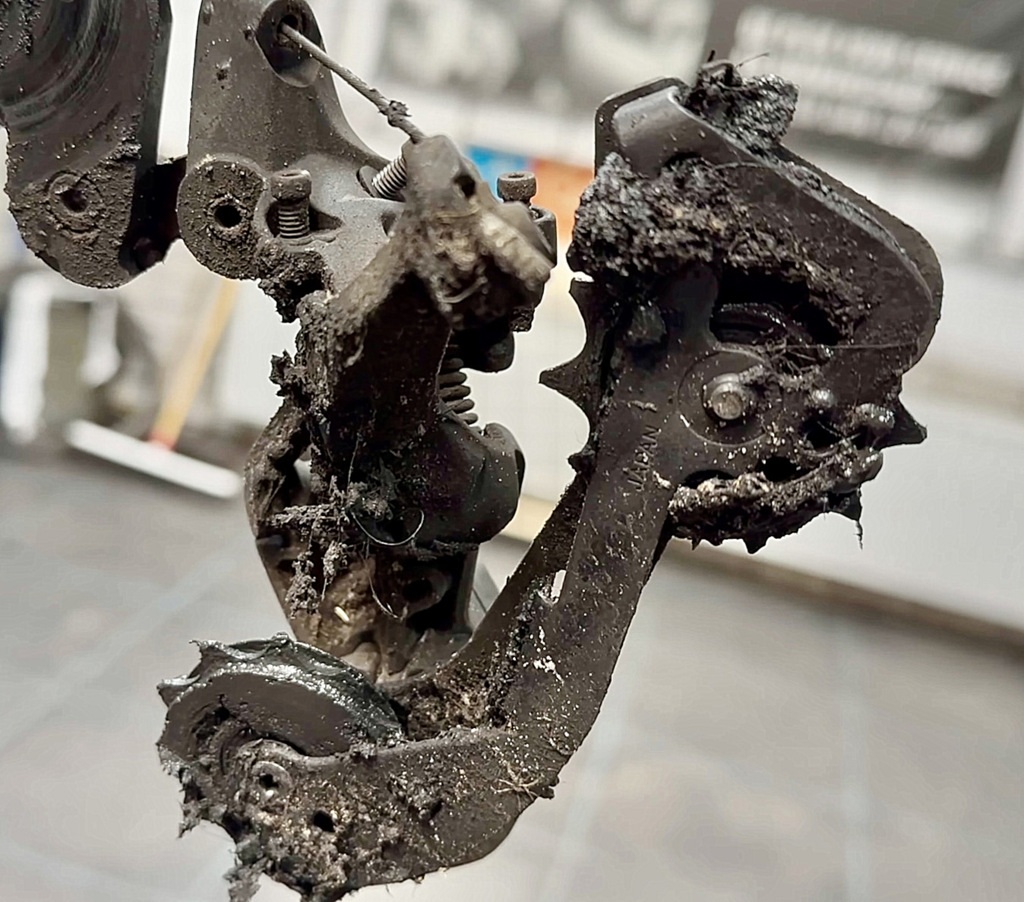
If the drive unit is neglected or improperly cleaned, it will affect its lifespan and often lead to problems in everyday operation. The less severe consequences include shifting problems like the chain skipping or the belt slipping. If this happens at the wrong moment, a fall or loss of control over the bicycle can also result.
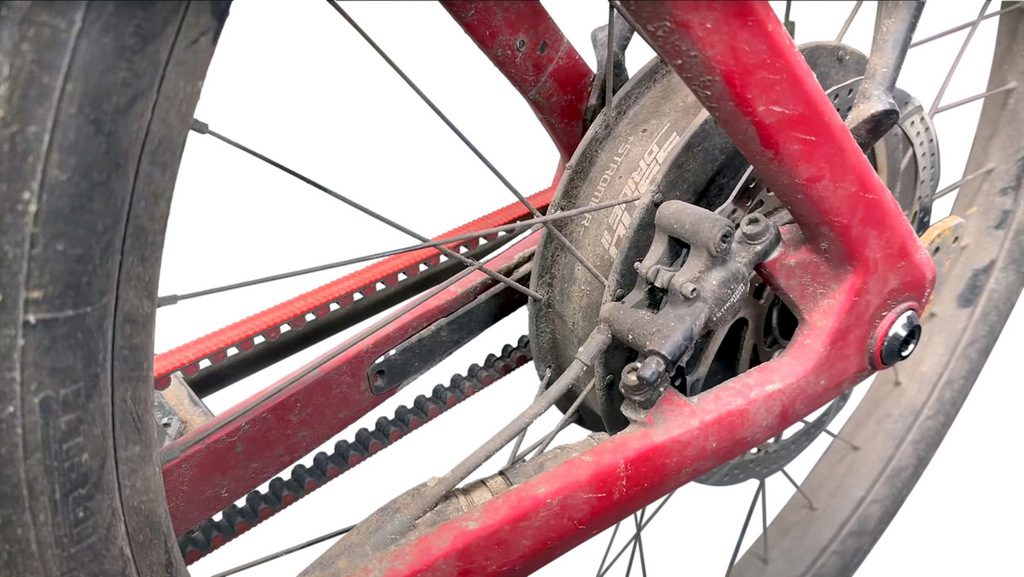
If you clean or lubricate incorrectly, the consequences are a heavily soiled drive, a shorter service life of the components and also problems in everyday operation.
It should never look like this:
Care material
I use the chain cleaner Muc-Off De-Greaser Aerosol Degreaser and the chain oil Dr. Wack 100. Any other chain oil, such as. Tunap Ultimate or Rohloff etc. can be used. Individual manufacturers differentiate whether the oil should only be used for dry operation or is also suitable for wet rides. An example is the Muc-Off Dry or Wetlube.
Multipurpose sprays like WD-40, Caramba, or Ballistol should not be used. They are not lubricating oils but rather penetrating oils and water displacers, which are not suitable for chain lubrication. They wash out existing grease, evaporate quickly, and attract dirt. The resinous residue that remains after evaporation acts like glue for dust and abrasive particles.
Alternatively, the chain can also be maintained with wax. However, wax must be applied even more frequently than chain oil, but has the advantage that it absorbs much less dirt and dust and therefore keeps the drive cleaner.
Water and, for example, a toothbrush help clean the belt's guide groove (Centertrack Nut). If the belt squeaks, a special Silicone spray for the belt.
Oiling the chain, practice with my ST3
Oiling: Depending on the degree of soiling, every 500 - 1,000 km. After wet rides, especially in winter with salt, I clean immediately after the ride. If you don't do this, rust will quickly build up on the chain, cassette and brakes.
How: First, I run the chain through a rag sprayed with chain cleaner 2-3 times. Then I put a small drop of oil on each chain link, let it sit for about 10 minutes, and then run the chain through a clean rag twice. This keeps the drivetrain smooth, almost silent, and it attracts much less dirt. The cassette and derailleur don't get gummed up, and your pants are protected.
Every few thousand kilometers I dismantle the chain for a thorough cleaning in an ultrasonic bath. You can also use a large glass or a bowl of petroleum or white spirit.
I also clean the chainring, the chain rollers and the cassette.
Mileage: The mileage of the KMC e11 EPT is approximately 10,000—11,000 km. Then I replace it along with the 11-tooth sprocket. Every second time, depending on wear, the 13/15/17/19-tooth sprockets are also replaced.