
What is that?
The Rosenberger connector ist eine Multifunktionsverbindung, die bei den 48-V-Modellen verwendet wird. Sie ist magnetisch und daher leicht lös- und verbindbar sowie im Fahrbetrieb schlüssig. Sie wird eingesetzt beim:
- Charger plug
- der Ladebuchse am Unterrohr oben
- dem Akkusockel
- dem Wicket Cable (im Akkufach)
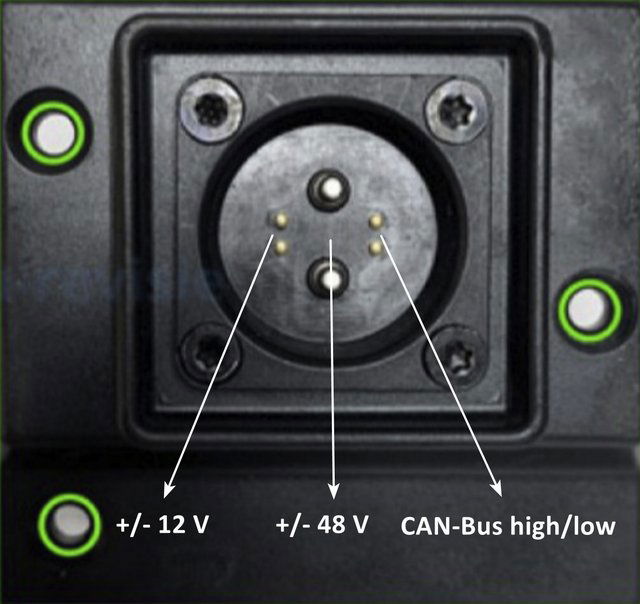
It establishes the following communication links:
- +/− 48-V-Ladepole
- +/- 12 V from the charger to the battery and from the battery to the stromer
- CAN-Bus, Low und High
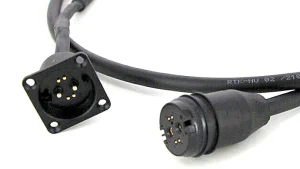
PIN assignment Plug

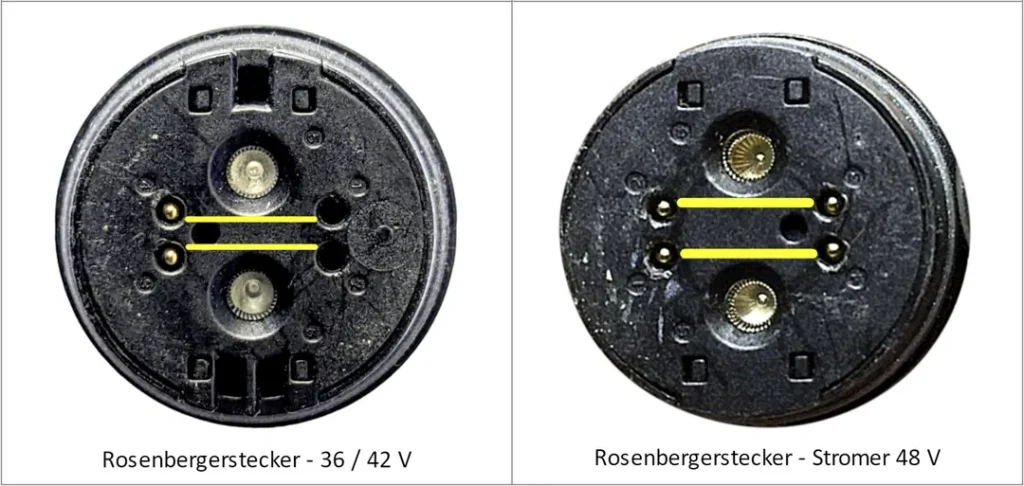
Es gibt verschiedene Rosenbergerstecker die sich vor allem in der Distanz der +/− PIN’s unterscheiden.
PIN assignment acoustic socket / charging socket
Spare parts
The Rosenberger connector and the charging socket in the battery are not available as spare parts from Stromer.
DIY solution
As an alternative, you can get a Wicket Cable (Stromer Art. No. 402336) buy and repurpose it as a charging plug. A possible supplier for the Rosenberger Connectors and Sockets is, for example, Mouser Electronics.
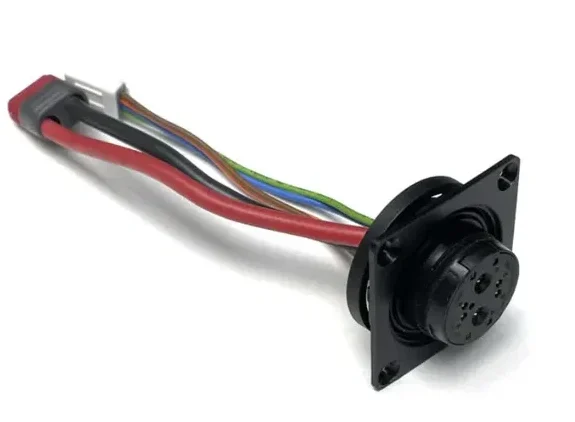
Charging port
Die Ladeportbuchse oben am Stromer-Unterrohr gibt es als Ersatzteil (Stromer Art. No. 401409).
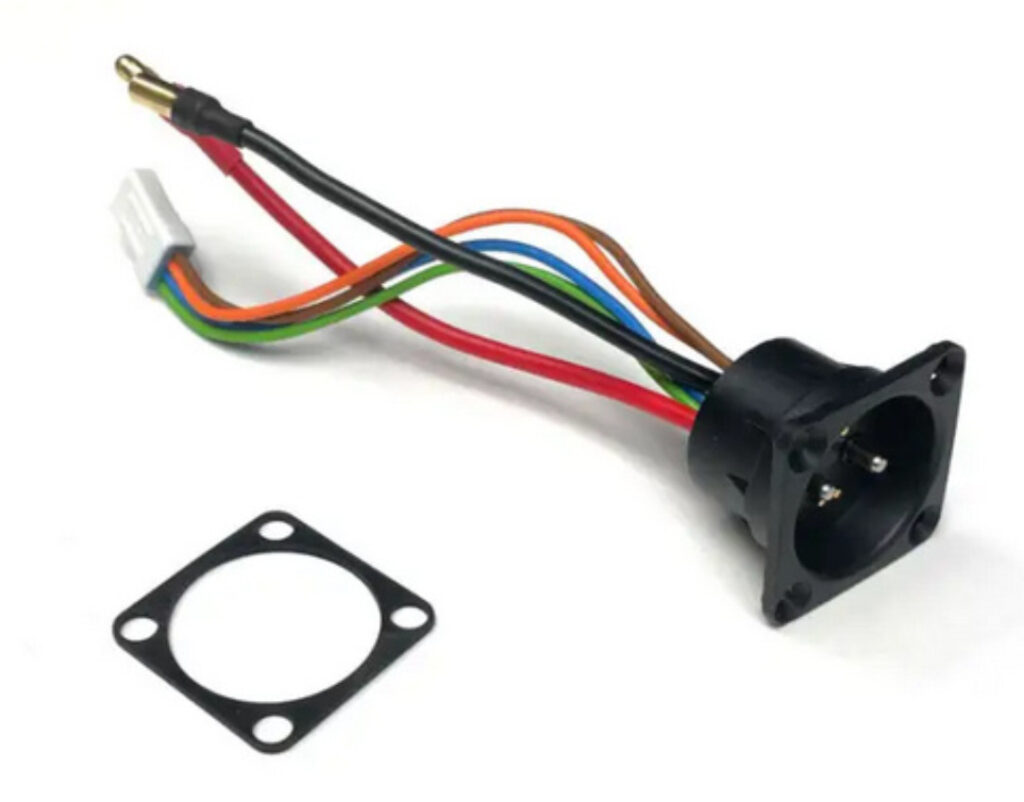
Charging base battery
The charging port on the BQ batteries is not available separately. However, it should be identical to the charging port.
Contact problems / corrosion
In combination with current flow and moisture, the plug connection tends to corrode and form verdigris. Due to its magnetic properties, it also attracts even the smallest metal particles. These properties can lead to leakage currents or short circuits. The connections must be kept clean.
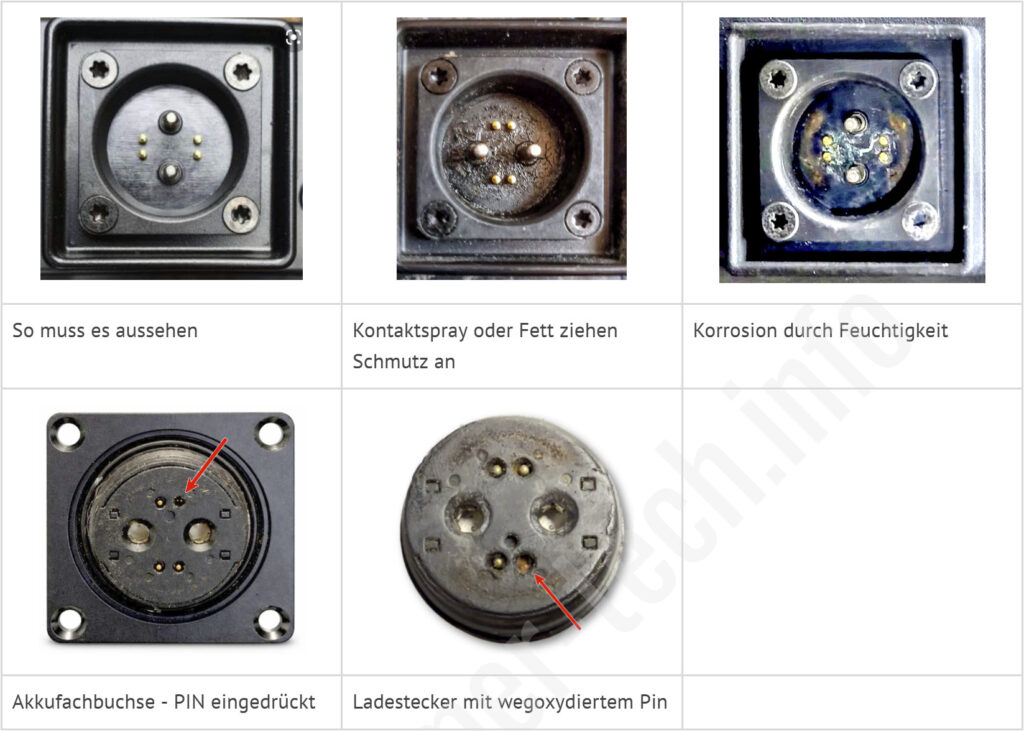
If the battery base in the battery compartment is corroded at the bottom, you may need to clean the Removing the battery compartment. Beim Wiedereinbau muss man darauf achten, dass der Sockel gerade eingebaut wird und nicht durch das anschliessende Wicket Cable „schräggezogen“ wird.