
Type history
Chronicling the history of Stromer motors is difficult due to the variety of models, reissues of older models, and various special editions. myStromer AG uses brushless DC (BLDC) motors. Over the course of its model history, motors from different manufacturers have been used. All 36V motors were standard motors without specific Stromer engineering.
BionX
Motors from the Canadian manufacturer BionX were used in Stromer's early models starting in 2009 (Thömus Twinner). BionX went bankrupt in 2018. However, service and maintenance are still offered, including at bionx-service.ch.
A Post from Stromerforum.ch sheds light on the beginnings:
Quote @bluecat from stromerforum.ch: ...the BionX kit and bikes equipped with it were available on almost every corner. At Thömus they were at the back left of the sale and demo bikes for quite a while. I think it was more the case that Thömu Binggeli, Magnus Almgren and Dominic Isenschmid realized that it wouldn't work that way - and then designed the Stromer. Perhaps BionX was asked if they could supply OEM. In any case, Ultra Motor became the supplier - perhaps they had also built for BionX, as the firmware contains display codes that were also used by BionX. Later, the now active myStromer AG took over the firmware, while Ultra Motor Asia probably merged with TDCM. Ortlinghaus then showed that it was also possible to build a highly respectable motor in this country - and myStromer AG developed the ST2 motor. GoSwissDrive on the other hand seems to oscillate between insolvency and MBO, Specialized has given up its turbo...
People and definitions
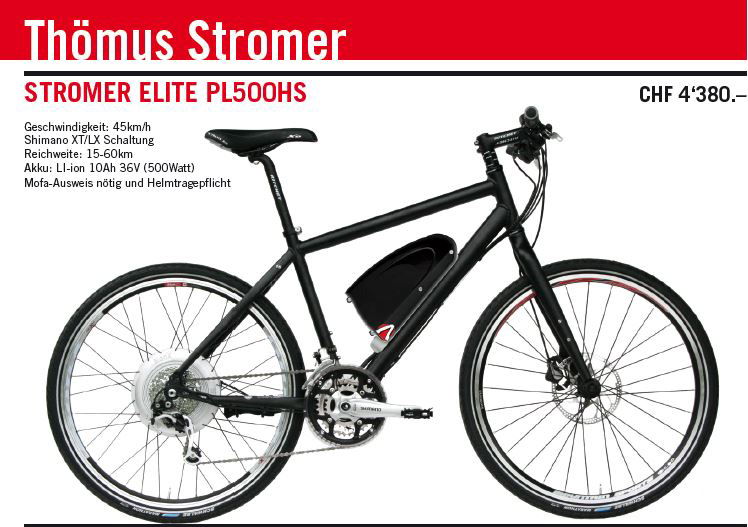
Ultra Motor
From 2011, there was the V1 (later ST1) with the M25, M33, P48, and S55 engines. These came from the English company Ultra Motor Ltd. In November 2011, Ultra Motor filed for insolvency. Subsequently, in January 2012, the two e-bike brands „Fast4ward“ and „A2B“ were acquired by the Indian company Hero Eco (New Delhi, India), one of the largest Two-wheeler manufacturer acquired, with annual sales of over $5 billion worldwide. At the same time, the Taiwanese subsidiary „Ultra Motor Taiwan“ (engine plant in Taoyuan, R&D in Taipei) was sold to a group of European private investors and continues to operate as an independent company.
TDCM (Taiwan Direct Current Motor) also appeared early on. TDCM was founded in Taiwan in 1995 and belonged to Ultra Motor until it went bankrupt. It is likely that „Ultra Motor Taiwan“ and „TDCM“ were the same company until the bankruptcy. After the bankruptcy and takeover by a group of European investors (Source: Pedelecs and e-bikeswas TDCM independent again and is today a Taiwanese company with around 30 years of experience in hub motor development)tdcm-motor.com), with a focus on e-bikes, delivery robots, drones, and medical devices.
Even the Thömus V1 used, among other things, motors from TDCM – they were 36V/500W motors.
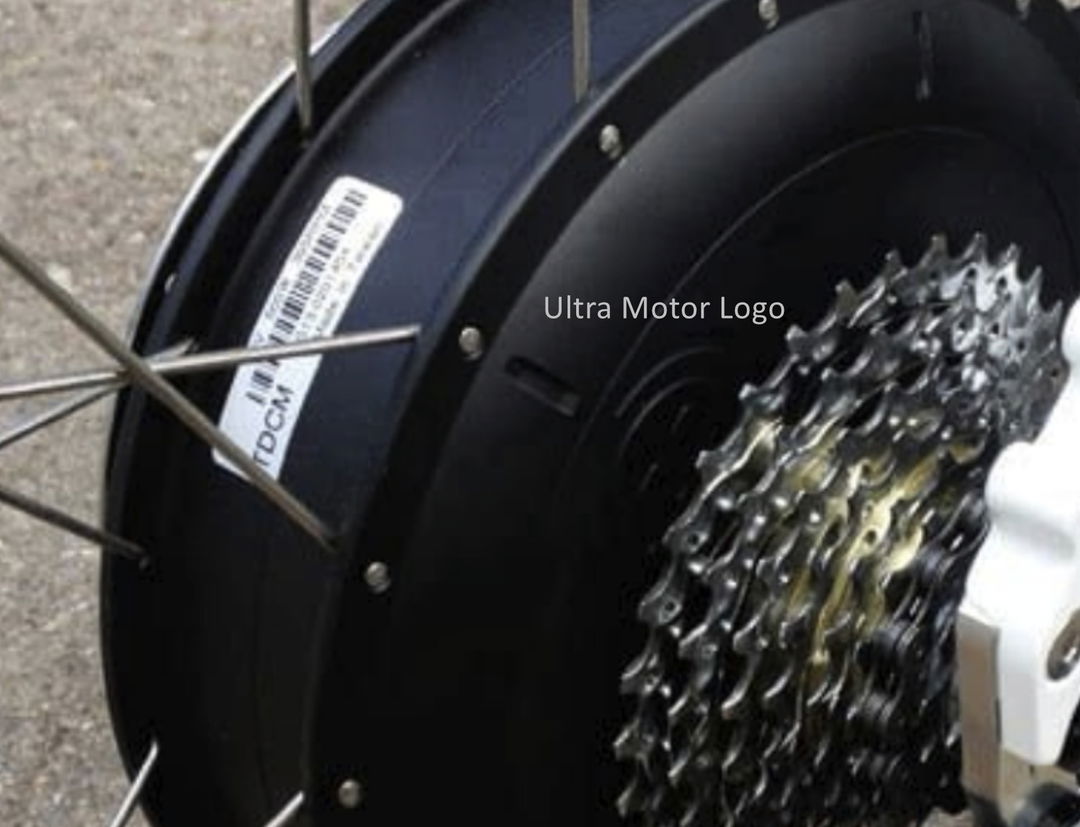
Groundbreaking developments occurred in 2014 with the introduction of the ST2, a 48-volt model. Stromer developed this in collaboration with the Bern University of Applied Sciences and the then-mentor Prof. Dr. Andrea Vezzini the drive concept still used today. The engine electronics were outsourced from the engine, the design Patented TDCM still manufactures the engines as an OEM today.
ASI
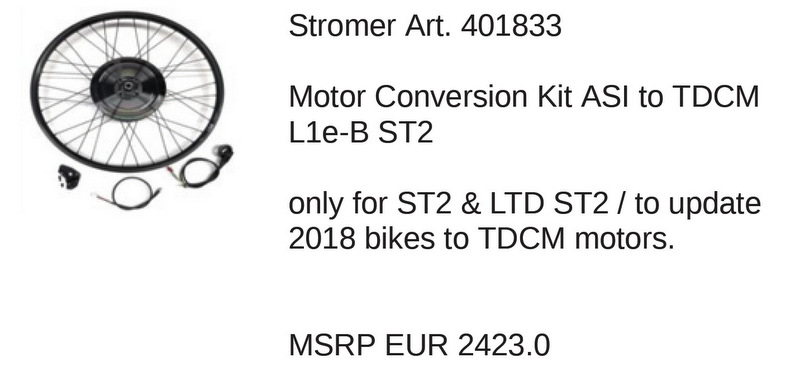
Motors from Accelerated Systems Inc. (ASI) was found in, among others, the Stromer ST1 M33 / P48, the ST2 / ST2 LTE, and the ST2S with a manufacturing year of 2018. Stromer offers a Conversion kit from ASI to TDCM engine (Stromer Art. No. 401833, approx. € 2,423).
TDCM
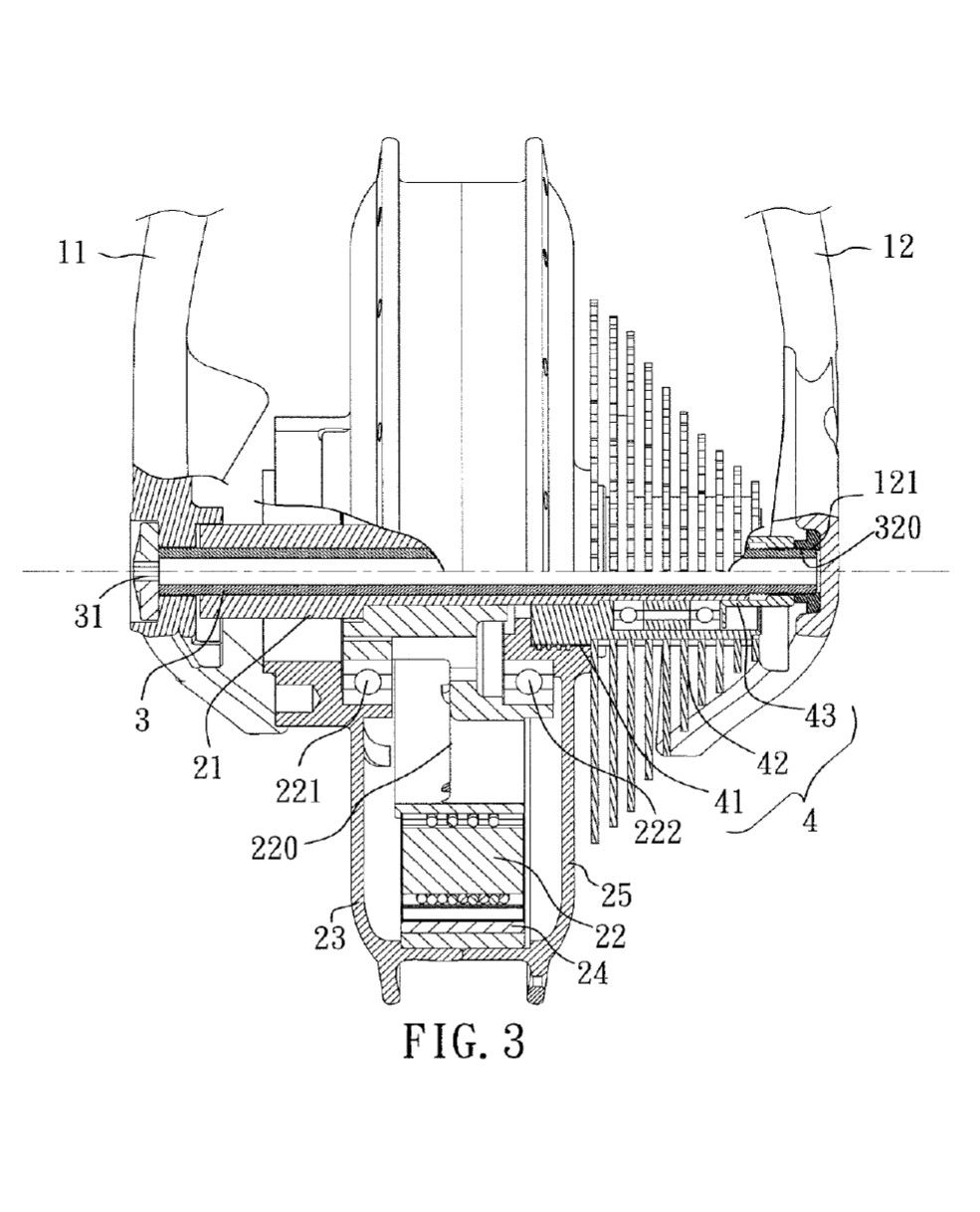
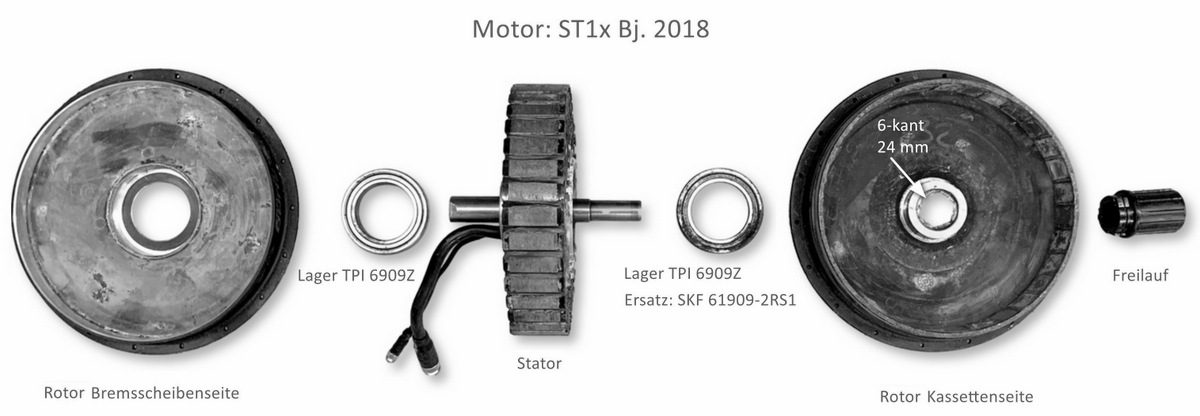
Taiwan Direct Current Motor (TDCM) has been equipping Stromer S-Pedelecs with hub motors for many years. The beginnings likely go back to 2010. The motors and mounting in the frame are based on a Patent The Fairly Bike Manufacturing Co. Ltd. and myStromer AG, and have been continuously developed with regard to torque and power throughout the model history. The year of manufacture of the TDCM motor can be identified from the serial number: S11-XXXXX = Series 2011, E13-XXXXX = Series 2013, E18-XXXXX = Series 2018 …
The patent
The myStromer AG promotes the decision to use a hub motor as follows:
- More thrust
- More dynamics
- Less wear in the drivetrain
- Maintenance goes to 0
- Recuperation possible
- More elegance
- Almost inaudible
- More security
- More range
All in all, this means for Stromer More fun!
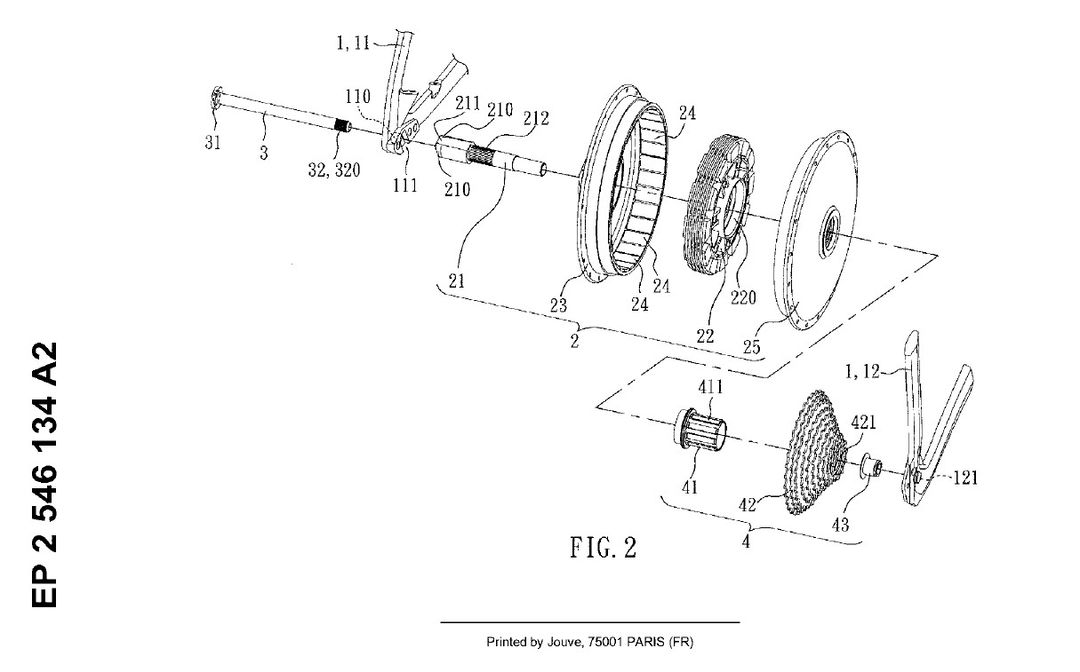
Here is the setup of the hub motor and the mount in the frame.
Patent dispute
June 26, 2023: At the Eurobike in Frankfurt escalated a patent dispute between myStromer AG and its competitor Opium (Revolt Zycling). Opium's exhibition stand was cleared. myStromer AG complained about the mounting of the thru axle with thread in the right dropout. More details are available here.
August 8, 2023According to velojournal.ch Opium worked on a revision of the torque support.
March 24. 2024: How velobiz.de reported, the legal dispute is said to have been settled by means of a settlement between Revolt AG and myStromer AG.
Quote:
The proceedings before the Unified Patent Court were settled in February 2024 after Revolt Zycling AG acknowledged the infringement claim. myStromer AG had also sued Revolt Zycling for design infringement.
As myStromer explains: "As part of the settlement, Revolt Zycling withdraws the nullity attacks against the Swiss and European Stromer design filed in response to this lawsuit. MyStromer also grants a design license to Revolt Zycling for the frame design of certain bike models."
Links
- In the American Endless-Sphere forum, there is the thread „Hacking a Couple Stromers" which provides a deeper insight into electric motors.
- Stromer ST1 no communication. Upgrade to 52V and Phaserunner controller
- Stromerforum.ch – Threads
- https://www.stromerforum.ch/showthread.php?tid=2267&pid=22374#pid22374
- https://www.stromerforum.ch/showthread.php?tid=805&pid=9589#pid9589
- https://www.stromerforum.ch/showthread.php?tid=1772&pid=21957#pid21957
- https://www.stromerforum.ch/showthread.php?tid=291&pid=3695#pid3695
- https://www.stromerforum.ch/showthread.php?tid=2366&pid=22851#pid22851
This patent was not filed by Stromer; instead, it was driven by the assembly plant Fairly Bike, which listed Stromer as co-applicants due to their good relationship. Stromer didn't pay the patent maintenance fees for years until they were about to go to court. The scope of the patent does not cover the motor itself, but rather the mechanism for mounting the motor onto the vehicle frame.